Master the Dink: Essential Strategies to Improve Your Soft Game
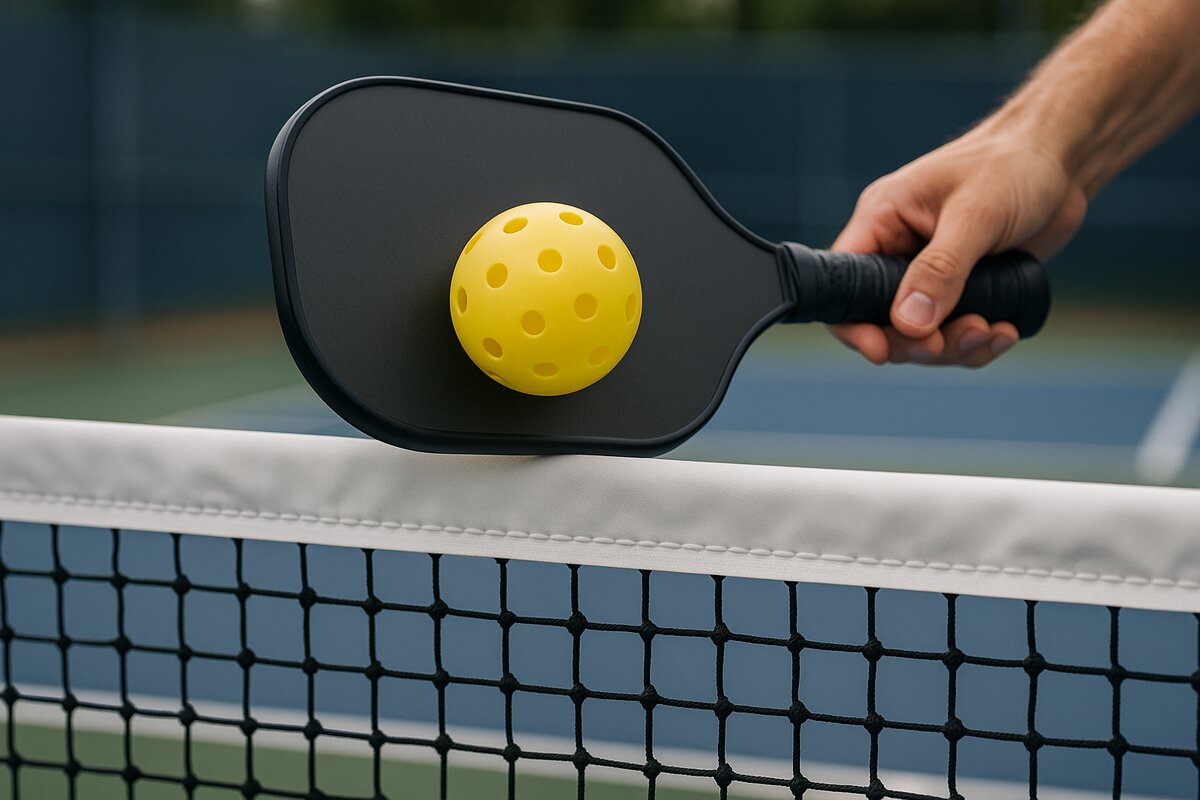
If you watch professional pickleball, you'll notice something that surprises many beginners: the pros spend most of their time hitting soft shots. The dink - a gentle shot that arcs over the net and lands in the opponent's kitchen - is arguably the most important shot in advanced pickleball.
Why the Dink Matters
It Neutralizes Power Players
Many recreational players rely on power. They smash every ball they can, hoping to overwhelm opponents. But against a skilled dinker, power becomes a liability. When you consistently drop soft shots into the kitchen, power players have nothing to attack.
It Creates Opportunities
Patient dinking forces opponents to hit up on the ball. Eventually, someone makes a mistake - either by popping the ball up (giving you an attackable shot) or by trying to speed up at the wrong moment.
It's Sustainable
You can dink all day without getting tired. Power games exhaust players quickly. In longer matches and tournaments, the patient dinker often outlasts the power player.
The Fundamentals of a Good Dink
Grip
Use a continental grip (like holding a hammer) or a slight Eastern backhand grip. This allows you to hit both forehand and backhand dinks without changing grip.
Key points:
- Hold the paddle loosely - tight grips reduce touch
- Let the paddle do the work
- Keep consistent grip pressure throughout the shot
Stance and Position
Your body position determines your dinking success:
- Stand close to the kitchen line (but not in it)
- Knees bent, athletic position
- Weight on the balls of your feet
- Paddle up and ready
- Eyes focused on the ball
The Swing
The dink is not about swinging - it's about guiding the ball:
- No backswing: Start with the paddle in front of you
- Push, don't swing: Think of it as pushing the ball over the net
- Follow through low: Your paddle should finish pointing at your target
- Use your legs: Bend into the shot rather than reaching
Contact Point
Where you contact the ball determines shot quality:
- Hit the ball at the peak of its bounce or slightly before
- Contact should be out in front of your body
- Keep the paddle face slightly open (angled upward)
- Let the ball come to you - don't reach
Dink Patterns and Strategies
Cross-Court Dinks
The safest and most common dink goes cross-court (diagonally):
Advantages:
- The net is lower at the center (34" vs 36")
- You have more court to work with
- It's the natural angle for most players
Execution:
- Aim for your opponent's outside foot
- Vary depth - sometimes short, sometimes deeper
- Keep it low over the net
Straight-Ahead Dinks
Dinking straight ahead is riskier but effective:
When to use it:
- To change the pattern and catch opponents off-guard
- When your opponent is out of position
- To set up your partner for a put-away
Risks:
- The net is higher at the sideline
- Less margin for error
- Easier for opponents to attack
The Middle Dink
Dinking to the middle creates confusion:
Benefits:
- Forces opponents to communicate
- Creates hesitation and weak returns
- Opens up the sidelines
Common Dinking Mistakes
1. Standing Too Far Back
Many players stand 2-3 feet behind the kitchen line. This forces them to hit up on dinks, making shots attackable. Get your toes close to the line.
2. Swinging Too Hard
The dink is a touch shot. If you're swinging hard, you're doing it wrong. Less is more.
3. Reaching Instead of Moving
Don't reach for dinks - move your feet to get in position. Reaching leads to weak, attackable shots.
4. Hitting at the Same Height Every Time
Vary your dinks. Sometimes skim them low over the net; other times give them a higher arc. Predictable dinks are easier to attack.
5. Getting Impatient
The dink game rewards patience. Too many players get bored and try to speed up prematurely. Wait for the right ball.
Drills to Improve Your Dinking
The Dink-Only Game
Play a game where the only legal shot is a dink. First team to hit a ball out of the kitchen or into the net loses the point. This forces you to develop touch and patience.
Cross-Court Dinking
With a partner, dink cross-court for 5 minutes without stopping. Count your streak. Aim for 50+ consecutive dinks.
Figure-8 Drill
Two players dink in a figure-8 pattern: cross-court, straight, cross-court, straight. This develops directional control.
Pressure Dinking
One player dinks; the other tries to speed up. The dinker's goal is to keep the ball soft and unattackable. Switch roles every 2 minutes.
When to Attack Out of a Dink Rally
Not every dink rally should last forever. Look for these opportunities to speed up:
- Ball pops up above net height: Attack with a firm volley
- Opponent is reaching or off-balance: Speed up to their weaker side
- Ball comes to your forehand paddle side: Most players attack better from this position
- Opponent is leaning one direction: Attack the other way
The Mental Game of Dinking
Dinking is as much mental as physical:
- Stay calm: Dink rallies can be tense. Breathe and stay relaxed
- Embrace patience: Waiting for the right ball is a skill
- Accept mistakes: You'll miss dinks. Reset mentally and continue
- Trust your training: In pressure moments, rely on fundamentals
Conclusion
The dink separates recreational players from advanced competitors. It requires touch, patience, and strategic thinking. But anyone can develop this skill with practice.
Start incorporating dinking drills into every practice session. Focus on fundamentals before trying advanced patterns. Most importantly, embrace the soft game - it's the path to pickleball mastery.