Pickleball Singles Strategy: Winning Tips, Positioning & Patterns
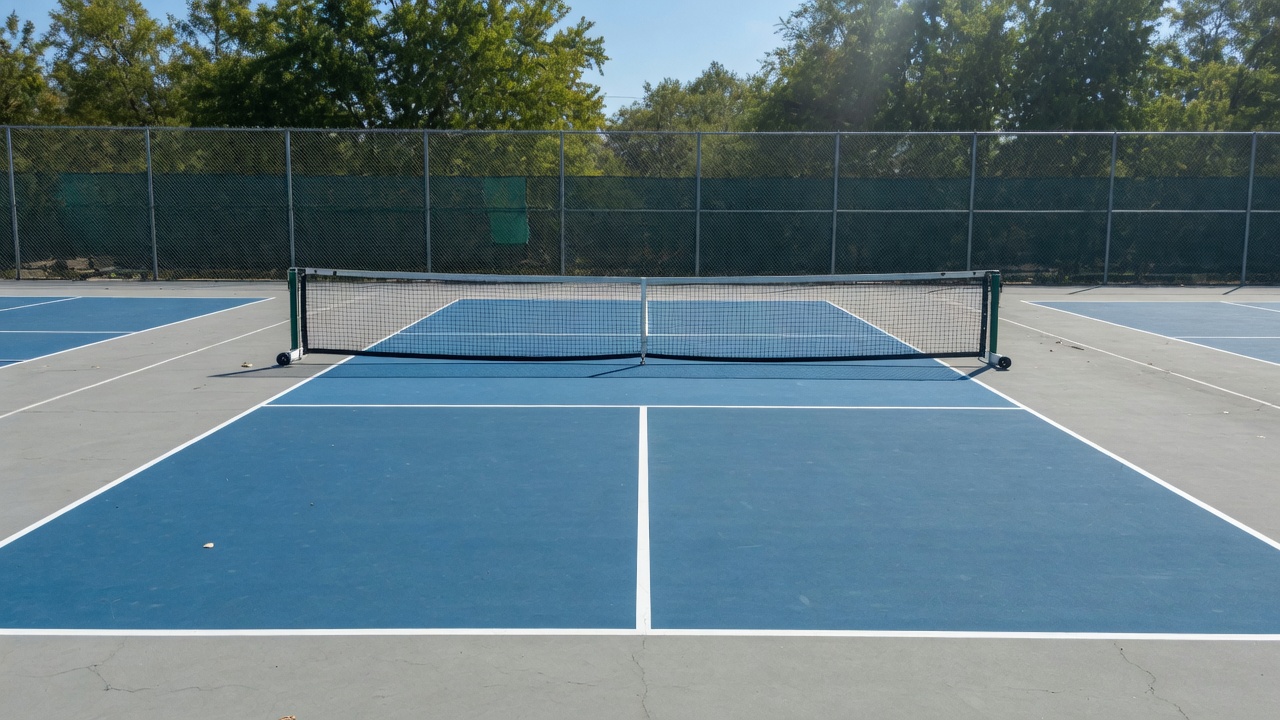
Pickleball singles strategy is a different game from doubles. There is no partner to cover half the court, no one to call the middle ball, and no shared responsibility for mistakes. Every point is on you. That challenge is exactly what draws competitive players to singles — and what makes having a clear strategy so important.
Whether you are stepping onto a singles court for the first time or looking to sharpen your competitive game, this guide covers the court positioning, serve placement, return tactics, and fitness demands that define winning pickleball singles strategy.
If you are still learning how scoring works in singles, our guide to pickleball scoring rules breaks down the two-number call system and the even-odd serving rule in detail.
Who this is for: doubles players crossing into singles, rec players preparing for a singles bracket, and anyone searching for practical pickleball singles strategy — not theory without court steps.
How Singles Differs From Doubles
In doubles, four players share a 20-by-44-foot court. In singles, two players cover that same space alone. That simple fact changes everything about how you play.
Court coverage is the defining challenge. You must defend 440 square feet by yourself, which means every shot you hit needs to serve a purpose: moving your opponent out of position, buying yourself recovery time, or setting up a winner. Random shots that lack intention get punished far more in singles because there is no partner to bail you out.
The kitchen line, which is the center of doubles strategy, plays a different role in singles. You cannot camp at the net the way you would with a partner because a single lob over your head gives your opponent an open court. Understanding when to approach the net and when to hold your ground at the baseline is the core tactical decision in singles pickleball.
For players coming from a doubles background, the mental shift can be just as significant as the physical one. Our doubles strategy guide covers the communication and positioning that define partnership play — singles demands an entirely different mindset built around self-reliance and court control.
Pickleball Singles Strategy for Beginners: The Fundamentals
If you are new to singles, focus on three foundational principles before layering on advanced tactics.
1. Return to Center After Every Shot
The most important habit in singles is recovering to the center of the baseline after every shot. In doubles, you can shade toward one side because your partner covers the other. In singles, if you hit a shot and stay where you are, your opponent can hit behind you into wide open court.
After hitting the ball, immediately shuffle or slide back toward the center of the court. This position gives you the shortest distance to reach shots on either side. Make it automatic — hit, recover, ready position.
2. Hit Deep and Keep the Ball in Play
Unforced errors decide more singles points than winners, especially at the beginner and intermediate levels. A deep shot that lands within two feet of the baseline is far more effective than a flashy attempt at a winner that lands in the net. Depth pushes your opponent back, reduces their angle options, and gives you time to set up for the next shot.
The simplest pickleball singles strategy for beginners is this: hit the ball deep to the center or to your opponent's weaker side, recover to center, and wait for your opponent to give you a short ball. When that short ball comes, then you attack.
3. Serve Deep and to the Backhand
The serve in singles is more important than in doubles because you are trying to gain an immediate advantage without a partner to cover weak returns. Aim for depth first and placement second. A deep serve to your opponent's backhand side is the highest-percentage play for most beginners. It forces a longer return from a typically weaker stroke, giving you a better chance at a favorable third shot.
Serve Placement: Your First Weapon
In singles, the serve is not just a way to start the point — it is your first offensive weapon. Because you serve diagonally, your position on the court after the serve determines how well you can cover the return.
Serving From the Right Side (Even Score)
When serving from the right side, aim deep toward your opponent's backhand (for a right-handed opponent, that is the left side of the service box). After serving, move toward the center of the baseline so you are in position to cover returns to either side.
Serving From the Left Side (Odd Score)
From the left side, you have a natural angle into your opponent's body or backhand. A serve directed at the centerline can jam a right-handed receiver and force a weak return. Vary your placement between the centerline and the wide angle to keep your opponent guessing.
Vary Speed and Spin
Do not rely on one serve. Mix in harder, flatter serves with slower, higher-arcing serves that land deep. Adding spin — topspin to kick the ball through the court, or side spin to pull your opponent wide — makes your serve harder to read. The goal is to prevent your opponent from grooving their return by keeping them off balance.
If you want to build more consistent serving mechanics, our beginner drills guide includes a target serve drill that develops placement accuracy.
Return of Serve Strategy
The return of serve in singles is about neutralizing your opponent's advantage and setting yourself up for the rally. Your two priorities are depth and recovery.
Hit your return deep. A short return lets the server step inside the baseline and take control of the point early. A deep return pushes them back, gives you time to get into position, and limits their options for an aggressive third shot.
After hitting the return, move to the center of the baseline immediately. Do not admire your shot or hesitate. Your opponent is already reading where the ball is going and planning their next move. You need to be in position before they hit.
When you face a weak or short serve, that is an opportunity. Step into the court, hit an aggressive deep return to a corner, and consider following it to the net if the return is strong enough to put your opponent on their heels.
Court Positioning and Movement
Singles pickleball rewards players who control the center of the court and force opponents to cover the most ground.
The Baseline Is Your Home Base
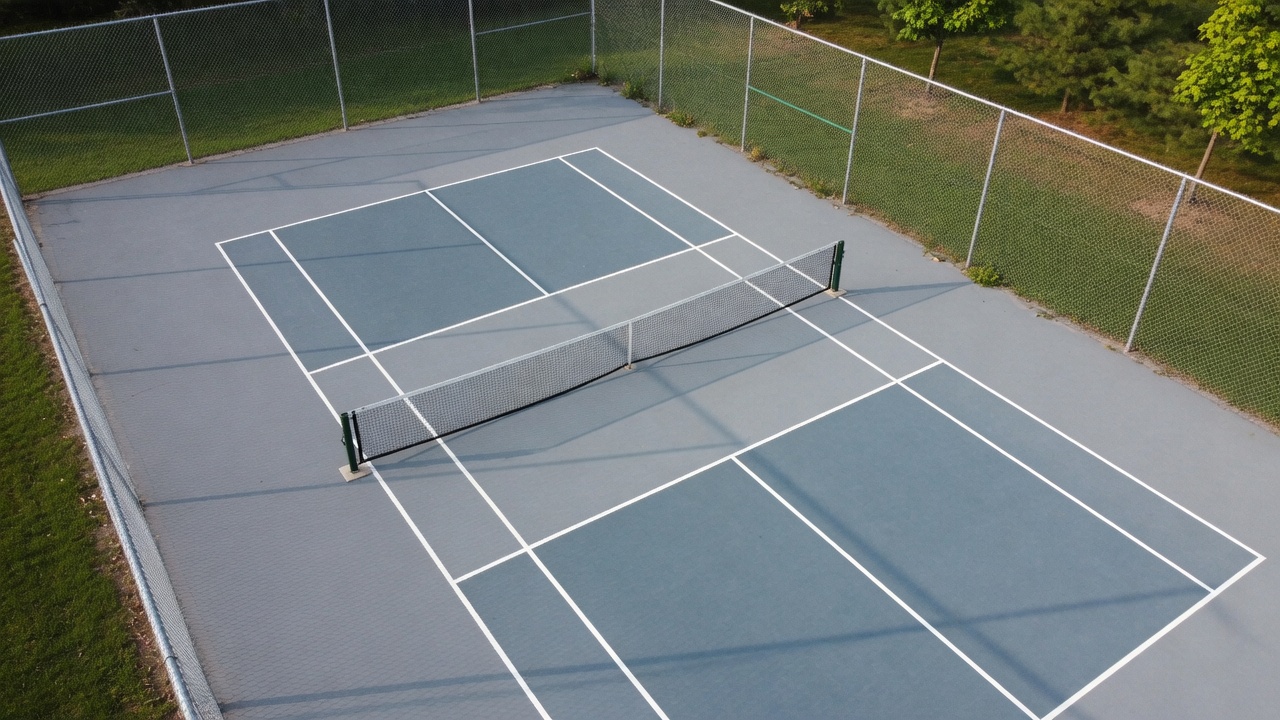
Unlike doubles, where both teams try to establish position at the kitchen line, singles players spend most of the point at or near the baseline. This position gives you time to react to shots, cover both sidelines, and handle lobs. Moving to the net is a calculated decision in singles, not a default position.
Move Your Opponent Side to Side
The best pickleball singles strategy for keeping your opponent off balance is simple: make them run. Hit to one corner, then hit to the other. Alternating sides forces your opponent to cover the full 20-foot width of the court repeatedly. Over time, this tires them out, creates wider openings, and produces short balls you can attack.
Target the corners with your groundstrokes. A ball that lands in the deep corners gives your opponent the least amount of time and the most distance to cover for the next shot.
When to Approach the Net
Going to the net in singles is a high-risk, high-reward play. The right time to approach is when you have hit a shot that puts your opponent in trouble — a deep ball to a corner, a quality drop shot, or a return that catches them out of position. When you see them scrambling, move forward and cut off their passing options with a volley.
Do not approach the net on neutral rallies. If your opponent is balanced and in position, they will pass you or lob over your head. The net approach works when you have earned it with the previous shot.
When you do get to the kitchen line, the dink shot becomes a useful tool for finishing points. A soft dink at the net forces your opponent to hit up on the ball, giving you a chance to put it away.
Pickleball Singles Tactics for Competitive Play
Once you have the fundamentals down, these tactical adjustments will elevate your singles game.
Exploit the Backhand
Most players have a weaker backhand than forehand. In singles, you have the luxury of directing the majority of your shots to your opponent's backhand side. This does not mean every ball goes there — predictability is a weakness — but making the backhand the default target forces your opponent to beat you with their weaker stroke.
Use the Drop Shot Selectively
A well-timed drop shot — a soft shot that barely clears the net and dies in the kitchen — is devastating in singles. It works best when your opponent is deep behind the baseline and not expecting a change of pace. If they are leaning back, waiting for another deep ball, a drop shot forces them to sprint forward, often producing a weak return you can attack.
The key word is selectively. Drop shots that are telegraphed or hit from a defensive position are easy to read and punish. Use them when you are in control of the rally, not when you are scrambling.
Control the Tempo
Varying the speed of your shots keeps your opponent from finding a rhythm. Hit a few hard drives, then slow things down with a high, deep lob. Follow a soft drop shot with a firm passing shot. Players who hit every ball at the same speed are easier to defend against because the receiver can time their movements.
Target the Open Court
This sounds obvious, but disciplined execution separates good singles players from great ones. After moving your opponent to one side, hit to the open court they just vacated. The sequence is: move them wide, recover to center, and place the next ball in the space they left behind. Patience in building the point is what creates genuine winners rather than forced errors.
Fitness Demands of Singles Pickleball
Singles is significantly more physically demanding than doubles. You cover the entire court alone, which means more running, more lunging, and more quick direction changes. Players who want to compete in singles need to address three fitness areas.
Cardiovascular Endurance
Singles rallies are longer and more physically taxing than doubles rallies. Building a strong aerobic base through running, cycling, or brisk walking ensures you can maintain intensity through long matches without your shot quality declining.
Lateral Quickness
Most movement in singles is side to side. Lateral shuffle drills, agility ladder work, and defensive slides build the quickness you need to reach wide shots and recover to center. Strengthening your legs — particularly your glutes, quads, and calves — supports the explosive lateral movement that singles demands.
Recovery Between Points
The ability to catch your breath and reset between points is crucial. Developing your fitness means you recover faster, which keeps your decision-making sharp in late-game situations when fatigue causes mental errors. Practice playing longer sessions to build the match stamina that separates fit players from tired ones.
Common Singles Mistakes to Avoid
Standing Still After Hitting
The number one mistake in singles is admiring your shot instead of recovering. Every moment you stand still is a moment your opponent can exploit the open court behind you. Hit and move. Always.
Going to the Net Too Early
Approaching the net before you have earned the right to be there is a recipe for getting passed or lobbed. Only move forward when your shot has put your opponent in a genuinely defensive position.
Hitting to the Middle of the Court
In doubles, hitting to the middle creates confusion between partners. In singles, hitting to the middle gives your opponent the easiest possible shot from the center of the court with angles to both sides. Always aim for depth and the corners.
Ignoring the Score
In singles, your serving position changes with every point based on whether your score is even or odd. Losing track of the score leads to serving from the wrong side, which can cost you points. Call the score before every serve and use the even-right, odd-left rule as your guide.
Building Your Singles Game Plan
Every strong singles player goes into a match with a plan. Here is a framework you can adapt to your strengths.
Against a power player: Keep the ball deep and use their pace against them. Stay patient, avoid short balls, and wait for them to overhit. When they miss long or wide, you win free points without taking risks.Against a soft-game player: Take the ball early, step into the court, and use depth and angles to prevent them from settling into a comfortable rhythm. Vary your speed to disrupt their timing.Against a faster opponent: Reduce the amount of running they need to do by keeping rallies shorter. Use drop shots, change-of-pace serves, and early net approaches to win points before their speed becomes a factor.Against a less fit opponent: Extend rallies. Move them side to side. Make every point long. Physical attrition is a legitimate and effective tactic in singles.Score Management and Patterns That Win Singles Points
Winning pickleball singles strategy is less about highlight winners and more about stacking small advantages.
Serve plus one: Decide before you serve whether the next ball is a deep drive, a soft drop, or a lob. The serve sets the pattern; the third shot confirms it.Return deep, then decide: A short return invites an approach. A deep return buys time to recover to center and choose whether to stay back or move in on a weak reply.Two-shot sequences: Practice intentional patterns — deep crosscourt, then attack the open sideline; high lob, then step in on a short ball; drop to the kitchen, then punch a volley to the open court.When you are ahead: Prefer high-percentage depth and force your opponent to create. When you are behind, increase variety (pace changes, short angles, early approaches) without spraying unforced errors.Fitness note: Singles rewards legs as much as hands. If you are gassing after four games, shorten points with earlier approaches or schedule skinny-singles drills from our pickleball drills for beginners guide.FAQ: Pickleball Singles Strategy
Is singles strategy different from doubles? Yes. You cover the full width alone, so recovery to center, depth, and selective net approaches matter more than stacked doubles formations.Should beginners play full-court singles right away? Skinny singles (half court) is often a better first step for accuracy and stamina. Move to full court once you can recover to center consistently.What is the most common singles mistake? Hitting and watching. After every contact, recover toward the middle of your baseline (or the middle of the kitchen if you have earned the net).How do I practice singles without a partner? Wall drills, target serves, and shadow footwork help. For live patterns, book a court via the court finder and play skinny singles with a friend.Where does tournament singles fit? Once your patterns hold under fatigue, use the tournaments guide to find brackets — and keep the same serve/return depth habits under pressure.Putting It All Together
Pickleball singles strategy comes down to a few principles executed consistently: serve deep, return deep, recover to center, move your opponent, and approach the net only when you have earned it. These fundamentals apply whether you are a beginner playing your first singles game or a competitive player preparing for a tournament.
The best singles players are not necessarily the ones with the hardest shots. They are the ones who make the fewest mistakes, cover the court efficiently, and have the patience to build points instead of forcing them. Start with the basics, add tactical layers as your game develops, and invest in the fitness that singles demands. Your results will follow. When you take that plan into a real bracket, see how to find pickleball tournaments.