How to Prevent Common Pickleball Injuries: A Complete Guide
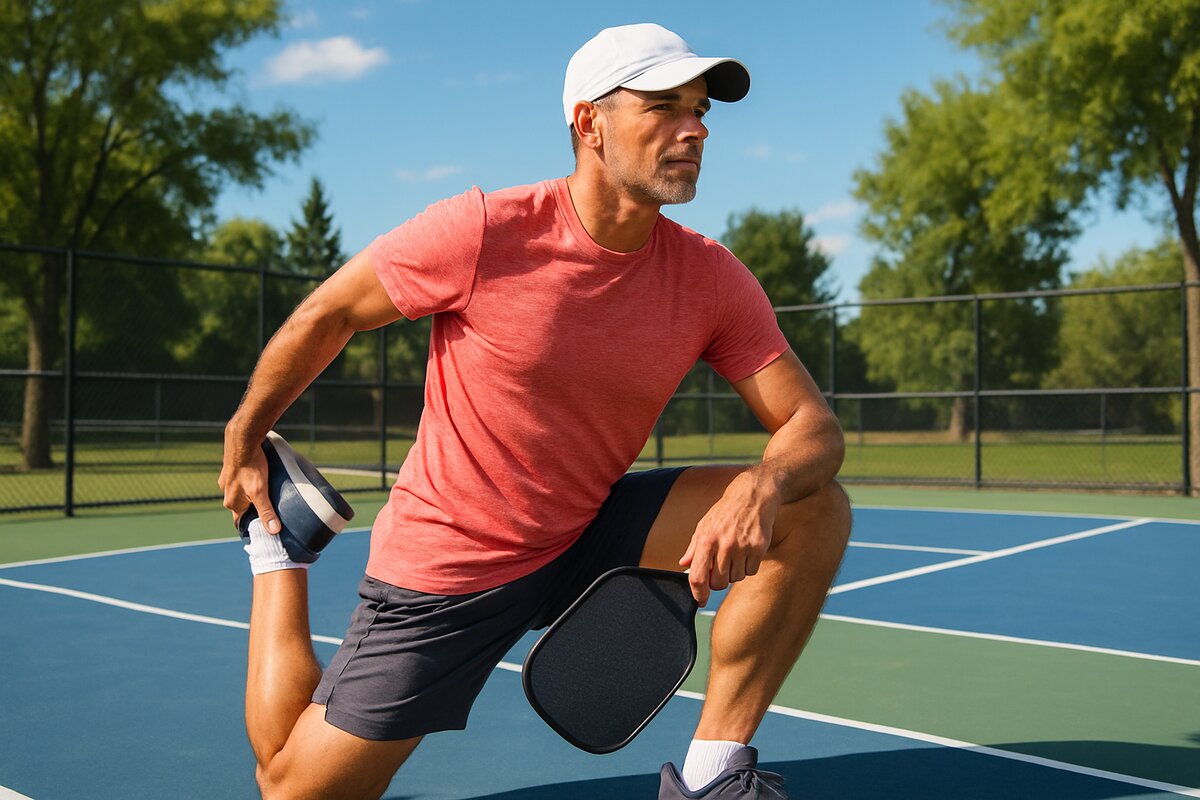
Pickleball's popularity has brought millions of new players to the courts, but it's also led to a surge in sports injuries. Emergency rooms report a significant increase in pickleball-related visits, particularly among players over 50. The good news? Most injuries are preventable with proper preparation and technique.
The Most Common Pickleball Injuries
1. Ankle Sprains
The quick lateral movements required in pickleball put significant stress on ankles. Rolled ankles are the most frequent injury, especially on outdoor courts with uneven surfaces.
Prevention:
- Wear court-specific shoes with good lateral support
- Strengthen ankles with resistance band exercises
- Avoid playing on wet or uneven surfaces
- Warm up with dynamic stretches before play
2. Knee Injuries
Meniscus tears, ligament strains, and general knee pain plague many players. The constant stopping, starting, and pivoting stresses knee joints.
Prevention:
- Strengthen quadriceps and hamstrings
- Focus on proper footwork - avoid twisting on planted feet
- Consider knee braces if you have previous injuries
- Don't play through knee pain
3. Shoulder Problems
Rotator cuff strains and tendinitis often develop from overhead shots and repetitive serving motions.
Prevention:
- Warm up shoulders with arm circles and band exercises
- Work on proper serving technique (underhand reduces strain)
- Strengthen rotator cuff muscles
- Limit overhead smashes if you feel shoulder fatigue
4. Tennis Elbow (Lateral Epicondylitis)
Despite the name, tennis elbow is extremely common in pickleball. It results from repetitive wrist and arm motions.
Prevention:
- Use a paddle with appropriate grip size
- Avoid death-gripping the paddle
- Strengthen forearm muscles
- Consider a counterforce brace
- Take breaks if you feel elbow soreness
5. Achilles Tendon Injuries
The explosive movements in pickleball can strain or even rupture the Achilles tendon, particularly in older players.
Prevention:
- Always warm up thoroughly
- Stretch calves before and after play
- Strengthen calf muscles with heel raises
- Avoid sudden increases in playing intensity
The Warm-Up You Should Be Doing
A proper warm-up takes just 10 minutes but can prevent weeks of recovery time. Here's an effective routine:
Dynamic Stretches (5 minutes)
- Leg swings - 10 each direction per leg
- Walking lunges - 10 per leg
- High knees - 30 seconds
- Lateral shuffles - 30 seconds each direction
- Arm circles - 10 forward, 10 backward
Sport-Specific Movements (5 minutes)
- Light dinking practice - 2 minutes
- Slow-paced rallies - 3 minutes
- Gradual intensity increase - Start at 50% effort, build to game speed
Equipment That Prevents Injuries
Shoes
Invest in proper court shoes. Running shoes don't provide the lateral support needed for pickleball's side-to-side movements. Look for:
- Wide base for stability
- Non-marking soles (required for indoor courts)
- Adequate cushioning
- Good ankle support
Paddle Selection
The wrong paddle can contribute to arm injuries:
- Weight: Heavier paddles provide power but cause fatigue
- Grip size: Too small causes grip tension; too large strains forearm
- Sweet spot: Larger sweet spots reduce vibration on off-center hits
Protective Gear
- Eyewear: Protective glasses prevent eye injuries from errant balls
- Knee pads: Useful if you're prone to diving for shots
- Compression sleeves: Can help with muscle support and recovery
Recovery and Rest
Listen to Your Body
Many injuries occur when players push through pain or fatigue. Warning signs include:
- Sharp pain during play
- Persistent soreness lasting more than 48 hours
- Swelling or inflammation
- Decreased range of motion
Active Recovery
On rest days, consider:
- Light walking or swimming
- Yoga or stretching
- Foam rolling
- Ice baths for inflammation
Sleep and Nutrition
Recovery happens off the court:
- Aim for 7-9 hours of sleep
- Stay hydrated before, during, and after play
- Eat protein for muscle repair
- Consider anti-inflammatory foods
When to See a Doctor
Seek medical attention if you experience:
- Sudden, severe pain
- Inability to bear weight
- Visible deformity
- Numbness or tingling
- Pain that worsens over several days
- Swelling that doesn't improve with rest and ice
Building Long-Term Durability
The players who enjoy pickleball for decades are those who prioritize injury prevention:
- Cross-train: Swimming, cycling, and yoga complement pickleball
- Strength train: 2-3 sessions per week focusing on legs and core
- Progress gradually: Avoid sudden increases in playing time
- Take rest days: Your body needs time to recover and adapt
- Stay flexible: Daily stretching maintains range of motion
The Bottom Line
Pickleball should enhance your life, not sideline you with injuries. A little prevention goes a long way. Warm up properly, use appropriate equipment, listen to your body, and don't be afraid to take rest days.
Remember: the goal is to play pickleball for years to come. A few extra minutes of preparation today prevents weeks of recovery tomorrow.